I have tested plenty of home products and organizing systems over the years, and the pattern is always the same: a calmer room usually comes from owning less and creating better systems, not buying another basket. My own townhouse can look surprisingly tidy in photos, but my spare room still has shelves of products with test dates and failure notes because real life is messier than a showroom.
This minimalist home reset focuses on small practical changes that make everyday living easier. I am not chasing an empty house; I am creating spaces where the things I use have a clear home. Current organizing advice also emphasizes manageable methods and personalized systems instead of rigid rules.
Quick reset overview
- Start with one room instead of your entire home.
- Create storage around your actual habits.
- Remove friction from daily routines.
Declutter One Room at a Time
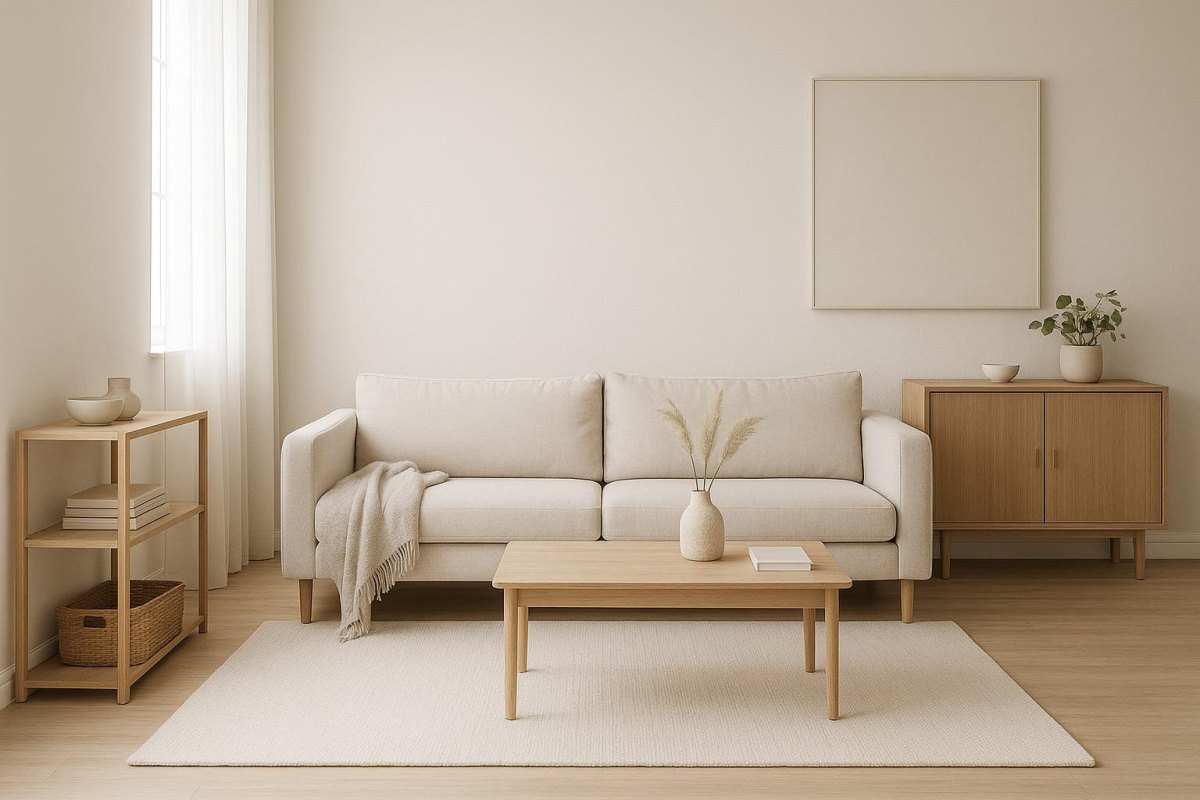
I never recommend an all-day house purge unless someone genuinely enjoys that process. My preferred approach is one room, one surface, one decision at a time. The goal is visible progress, because a half-finished home reset is where most people lose momentum.
When I worked at a returns desk, I noticed people often kept items because they felt guilty about letting them go. A minimalist reset works better when you ask whether something earns its space today, not whether it once had a purpose.
- Choose. Pick the room that creates the most daily frustration.
- Sort. Separate items into keep, relocate, donate, and recycle piles.
- Reset. Return only useful items before adding anything new.
Create Calm Storage Zones

The best storage systems I have tested are boring in the best possible way. They work because they put things close to where they are used. A drawer organizer that fights your habits is just another object to maintain.
I focus on functional storage zones where each category has a natural home. Organizing experts continue to highlight practical zones, donation stations, and simple habits as ways to maintain streamlined homes.
- Entry zone: keys, bags, and daily essentials.
- Cleaning zone: supplies grouped near the areas they serve.
- Kitchen zone: tools stored near cooking tasks.
Reset Your Kitchen Counters

My kitchen is the room where minimalism earns its keep. I repainted my cabinets myself, and the space looks nicest when the counters are allowed to breathe. The trick is not having perfect counters; it is keeping only what supports your routine.
Current kitchen organization guidance often recommends keeping daily-use items accessible while moving occasional appliances into storage. I use the same rule: counter space is valuable, so every item sitting there needs a reason.
- Remove duplicate utensils.
- Store rarely used appliances away.
- Group cooking essentials on one tray.
Simplify Your Bedroom Setup

A bedroom reset should make mornings easier, not create another decorating project. I start with the surfaces I touch every day: the nightstand, closet floor, and chair that somehow becomes a second wardrobe.
The biggest improvement usually comes from reducing visual noise. A calmer bedroom does not require expensive furniture; it requires fewer decisions waiting for you at the end of the day.
My practical tip
I remove anything that belongs elsewhere before I add organizers. Containers cannot fix a room full of things that should not be there.
Build a Capsule Wardrobe

I spent years around retail buying, so I have seen how quickly clothing categories multiply. A closet can become a storage unit for versions of yourself you no longer dress like.
A capsule wardrobe is not about owning a specific number of pieces. For me, it means creating a reliable clothing rotation where favorites are easy to find and rarely worn items stop taking up prime space.
| Keep | Question |
|---|---|
| Frequently worn basics | Does this fit my current life? |
| Favorite seasonal pieces | Would I buy this again? |
Refresh Your Entryway

The entryway is a tiny space with a huge job. It handles the transition between outside chaos and inside calm, which is why I treat it as a working area rather than a decorative corner.
A good entry reset creates a simple drop zone for items that otherwise travel around the house. I would rather have one sturdy hook system that gets used than a beautiful organizer nobody touches.
What works
- Hooks at an easy height.
- A dedicated place for daily bags.
What fails
- Decorative storage with no purpose.
- Systems that require extra steps.
Remove Visual Clutter

Visual clutter is the category I notice fastest when testing products. A room can be technically organized and still feel busy because every surface is competing for attention.
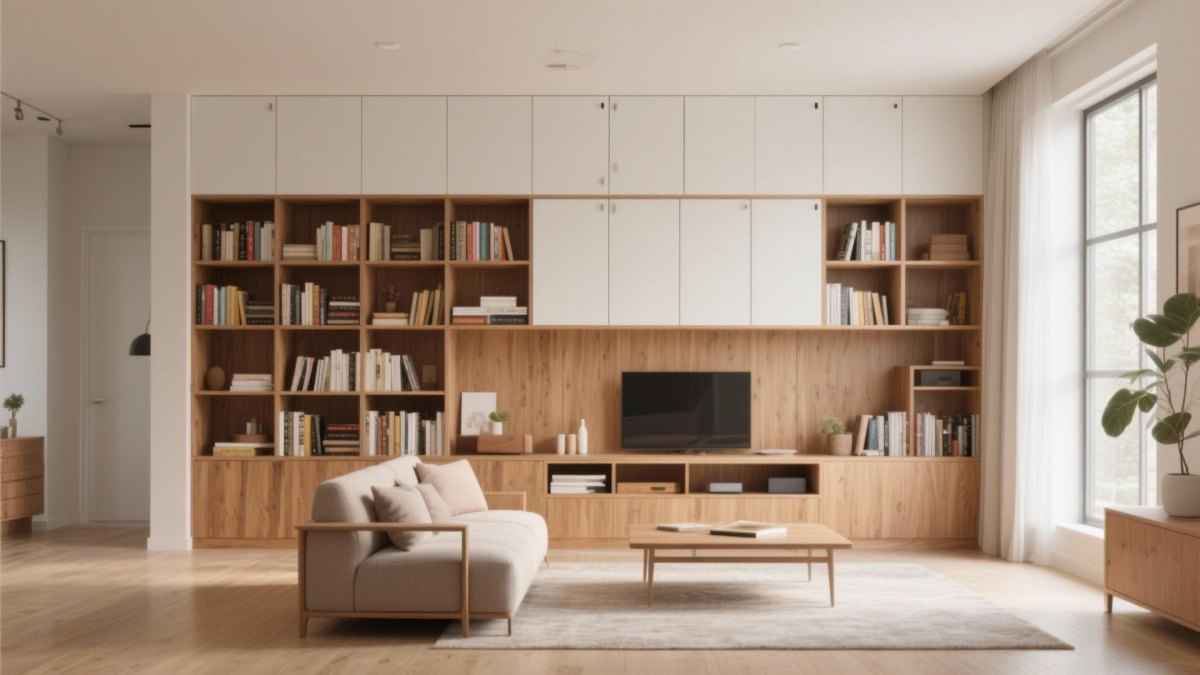
I look for intentional simplicity: fewer items displayed, consistent storage choices, and open areas that make cleaning faster. Minimalist design discussions often focus on clean lines and functional choices rather than decoration alone.
Create a Digital-Free Relaxation Corner

I like spaces that tell my brain what to do next. A chair with a lamp and a book creates a different feeling than a chair surrounded by charging cables and notifications.
Screen-free relaxation areas, sometimes called analog or digital detox corners, have become a growing home design idea focused on rest and offline activities. I prefer a quiet personal corner over another complicated wellness setup.
My simple setup
I use comfortable seating, warm lighting, and one activity I actually enjoy. The best relaxation space is the one I remember to use.
Maintain a Simple Daily Reset Routine

The reset is not finished when the house looks good for one afternoon. The part that matters is building habits that prevent clutter from returning.
I use short routines because maintenance beats motivation. A five-minute evening reset can handle small problems before they become weekend projects. Kitchen organization guidance also recommends quick regular resets to keep surfaces functional.
- Return misplaced items before bed.
- Clear one problem surface daily.
- Review incoming purchases before adding storage.

More Pinterest Visuals