I have tested enough storage furniture to know that a beautiful room can still fail when everyday items have nowhere to go. These living room storage ideas focus on hiding clutter, using wasted space, and choosing pieces that earn their footprint.
I approached these ideas the same way I approach products in my own home: not just asking whether they look good on day one, but how they hold up after months of actual use.
Built-In Wall Storage Units
What I like about built-ins
- They use wall height instead of floor space.
- They combine display areas with hidden storage.
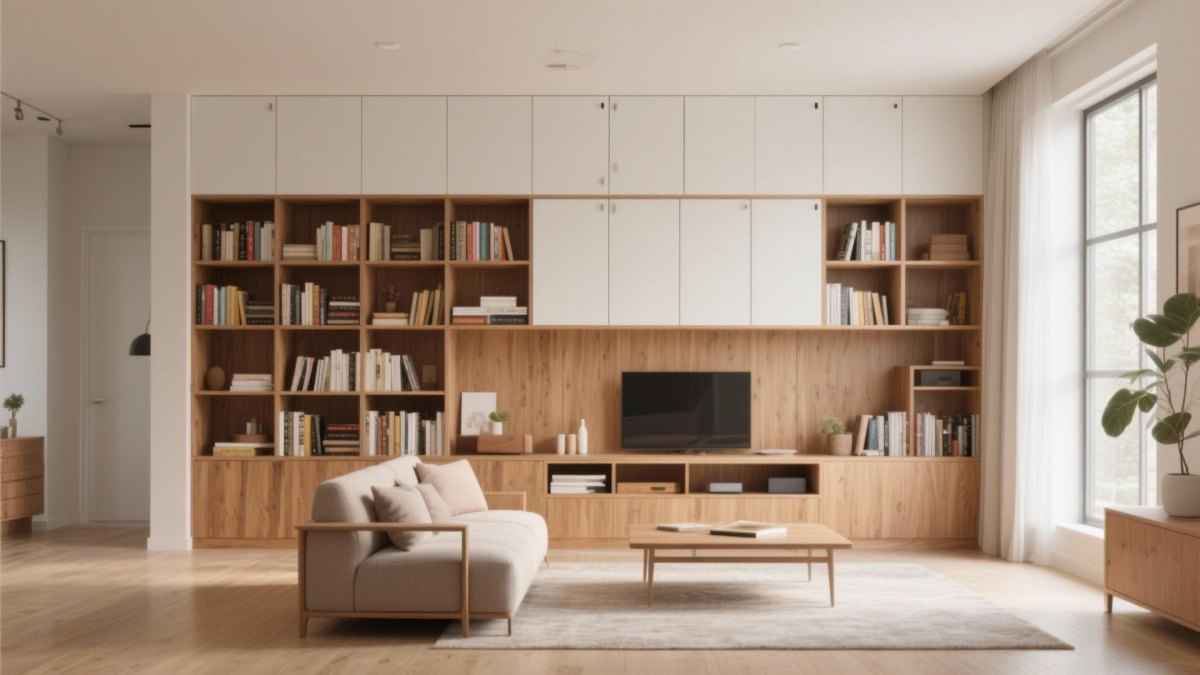
Built-in wall storage is one of the few upgrades that can make a living room feel larger while adding serious capacity. Designers continue using integrated shelving and cabinetry because they create a custom look without adding visual clutter. Floor-to-ceiling storage is especially useful in smaller rooms.
The failure point is usually not the idea but the installation. Poorly planned shelves become awkward dust collectors, so I measure the items going inside before approving the design. Practical dimensions matter more than a showroom photo.
Floating Shelves for Display Storage

Floating shelves are the storage choice I recommend when someone wants a lighter look. They work well for books, plants, framed photos, and baskets while keeping the floor open. Open wall storage can make a compact room breathe better.
I always check mounting hardware before recommending them because a shelf that looks delicate still needs to carry real weight. The likely failure is loose brackets or overloaded boards, not the shelf itself. Weight limits matter more than decorative styling.
TV Console Storage Solutions

| Need | Best feature |
|---|---|
| Hidden cables | Closed cabinets |
| Remotes and games | Drawers |
A TV console should do more than hold a screen. The best versions hide electronics, chargers, and media accessories behind doors. Closed storage sections keep the room looking calmer.
I avoid consoles with flimsy hinges because that is where cheaper furniture usually shows its age first. Hardware quality is the detail I inspect before finish.
Storage Ottomans and Benches

Pros
- Add seating and storage together.
- Hide blankets and small clutter.
Cons
- Cheap lids can weaken quickly.
- Fabric can show wear.
Storage ottomans and benches are some of the hardest-working pieces in a living room. They can replace separate furniture items when chosen correctly. Multi-purpose furniture earns its space in smaller homes.
I pay attention to the lid mechanism because that is where many budget models fail first. Strong internal frames matter more than trendy upholstery.
Hidden Storage Behind Cabinet Doors

Closed cabinets are my favorite solution for items that are useful but not attractive. Cords, paperwork, games, and extra blankets disappear without making the room feel sterile. Hidden cabinet storage keeps daily mess under control.
The mistake is creating storage that is difficult to access. If opening the cabinet feels annoying, people stop using it. Easy access is what keeps organization working.
Corner Storage Ideas for Small Spaces

Corners are often wasted areas, especially in smaller living rooms. A narrow shelf, corner cabinet, or tall unit can turn that forgotten spot into useful storage. Unused corners can become valuable real estate.
I prefer solutions that keep walking paths open because oversized corner furniture creates a new problem. Space planning first prevents buying something that only looks good online.
Coffee Tables With Built-In Storage

A coffee table with drawers, lift tops, or compartments can solve the daily pile of remotes, books, and chargers. Storage coffee tables have become popular because they combine surface space with hidden organization. Functional coffee tables work harder than decorative ones.
The failure point I watch is complicated lifting hardware. More moving parts mean more chances for problems later. Simple mechanisms usually age better.
Ladder Shelves for Vertical Storage

Ladder shelves are a renter-friendly way to add height without drilling into walls. They are useful for books, baskets, and decorative items when a full cabinet is not practical. Vertical storage makes limited floor space work harder.
I avoid placing heavy objects too high because balance matters. Stable construction is more important than having five perfectly styled shelves.
Baskets and Bins for Organized Storage

Baskets are simple, but they solve one of the most common living room problems: too many small things without a home. Flexible storage containers work well for blankets, toys, and accessories.
I like baskets because they are easy to replace when worn. Low-cost organization does not need to look temporary.
Under-Stair Living Room Storage

Under-stair storage can transform an awkward area into one of the most useful parts of a home. Recent design examples show stair zones becoming intentional storage and display areas rather than dead space. Awkward spaces often hide the biggest opportunities.
I would measure carefully before building anything because unusual angles are where expensive mistakes happen. Custom fitting should solve a problem, not create one.
Modular Storage Systems

Modular storage is appealing because it changes with your life. Shelves can be moved, cabinets added, and layouts adjusted without replacing everything. Adaptable furniture is becoming more valuable as rooms serve multiple purposes.
The downside is buying pieces without a plan. System compatibility matters because mismatched additions can make a room feel unfinished.
Bookshelves With Integrated Storage

Bookshelves do not have to be only for books. The best designs mix open shelving with drawers or cabinets for items you want nearby but hidden. Integrated shelving creates both personality and function.
I like bookshelves that show some life rather than looking staged. Balanced display storage feels more comfortable in a real home.
Window Seat Storage Ideas

A window seat with storage underneath is one of those designs that earns its space twice. It creates seating while hiding blankets, books, or seasonal items. Built-in seating storage is especially useful in compact rooms.
The important detail is access. A beautiful bench that requires moving cushions every day becomes frustrating. Convenient openings keep the feature practical.
Minimalist Hidden Storage Furniture

My buying tip
Do not buy storage furniture just because it hides things. Buy it because it solves a repeated daily problem.
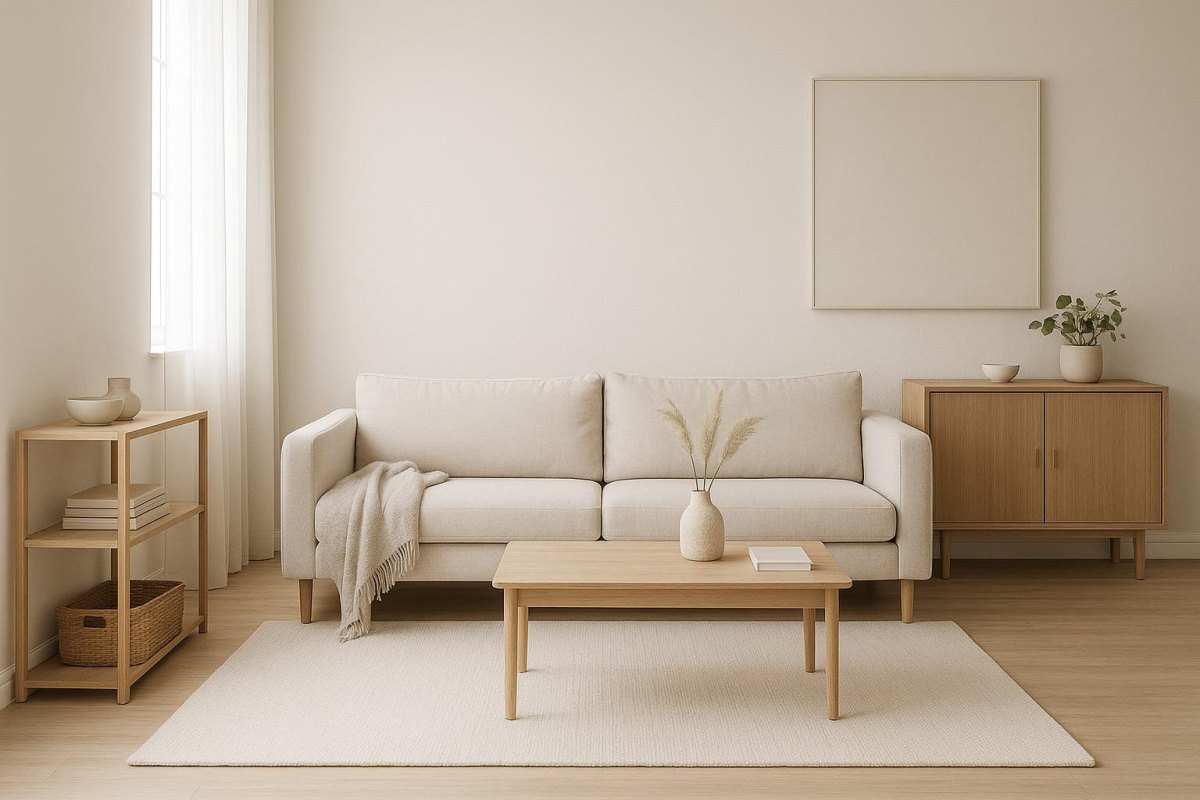
Minimalist hidden storage works when the furniture disappears visually while still doing useful work. Clean-lined cabinets, storage sofas, and concealed compartments support a calmer room. Quiet organization is often better than adding more shelves.
I have learned that the best storage is the kind you stop noticing because it simply works. Everyday usability beats impressive-looking features.

More Pinterest Visuals