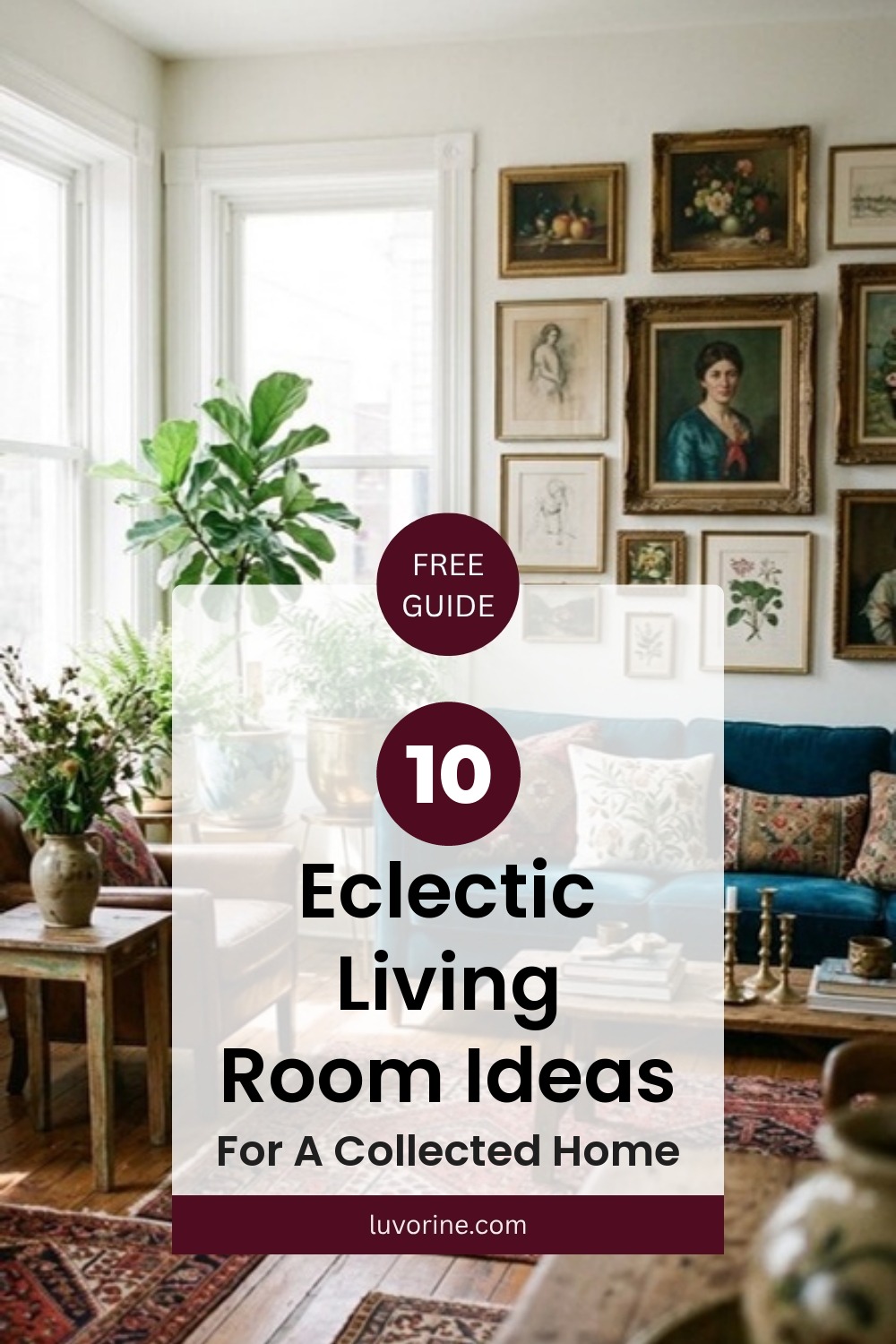
Have you ever walked into a living room that looked straight out of a catalog, only to feel like you were waiting in a dentist's office? Matching three-piece furniture sets and sterile, all-beige walls are officially in the rearview mirror.
Your living room should tell your story, not the story of a big-box store's seasonal clearance sale. Eclectic design is all about mixing eras, clashing patterns with confidence, and displaying the weird little treasures that actually make you happy. Ready to turn your space into a curated masterpiece without making it look like a chaotic thrift shop?
Eclectic living rooms at a glance
- Mix at least three different design eras to create an authentic, collected-over-time feel.
- Use a unifying thread—like warm earth tones or brass accents—to tie wildly different pieces together.
- Balance bold patterns and quirky statement furniture with a calm 60% neutral foundation.
1. Break Up the Furniture Set and Mix Your Eras
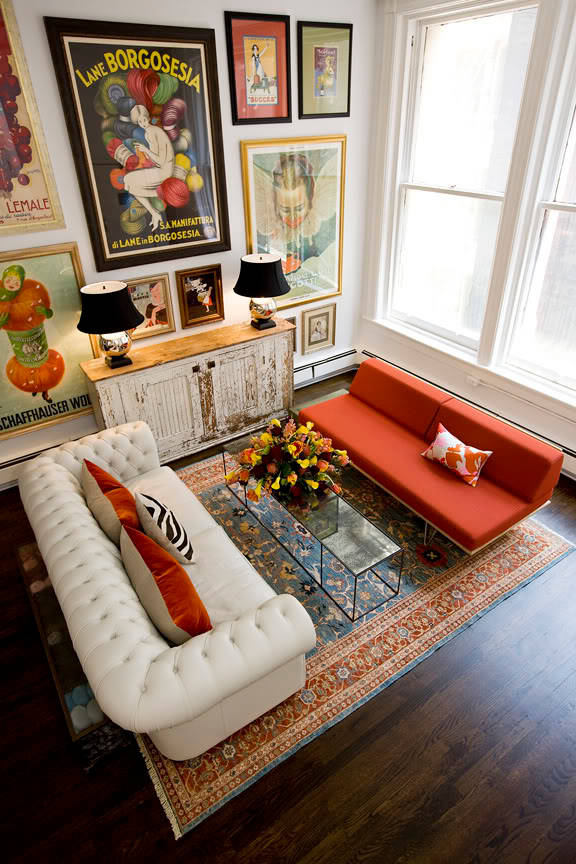
Why let a single decade have all the fun when you can invite three or four to the party? The fastest way to kill an eclectic vibe is buying a sofa, loveseat, and coffee table that all came off the exact same assembly line.
Instead, pair a sleek, low-profile contemporary sofa with a 1960s Scandinavian sideboard and an ornate Victorian side table. When your furniture looks like it was gathered across different chapters of your life, the whole room instantly feels warmer and more intriguing. Which decade is your secret favorite to thrift from?
The Golden Ratio of Era Mixing
- Primary Era (50%): Modern or contemporary anchor pieces like a structured sofa for everyday comfort.
- Secondary Era (30%): Mid-century or 1970s vintage casegoods like wooden coffee tables or credenzas.
- Wildcard Era (20%): Antique or Art Deco accents like gilded mirrors, lighting, or side tables.
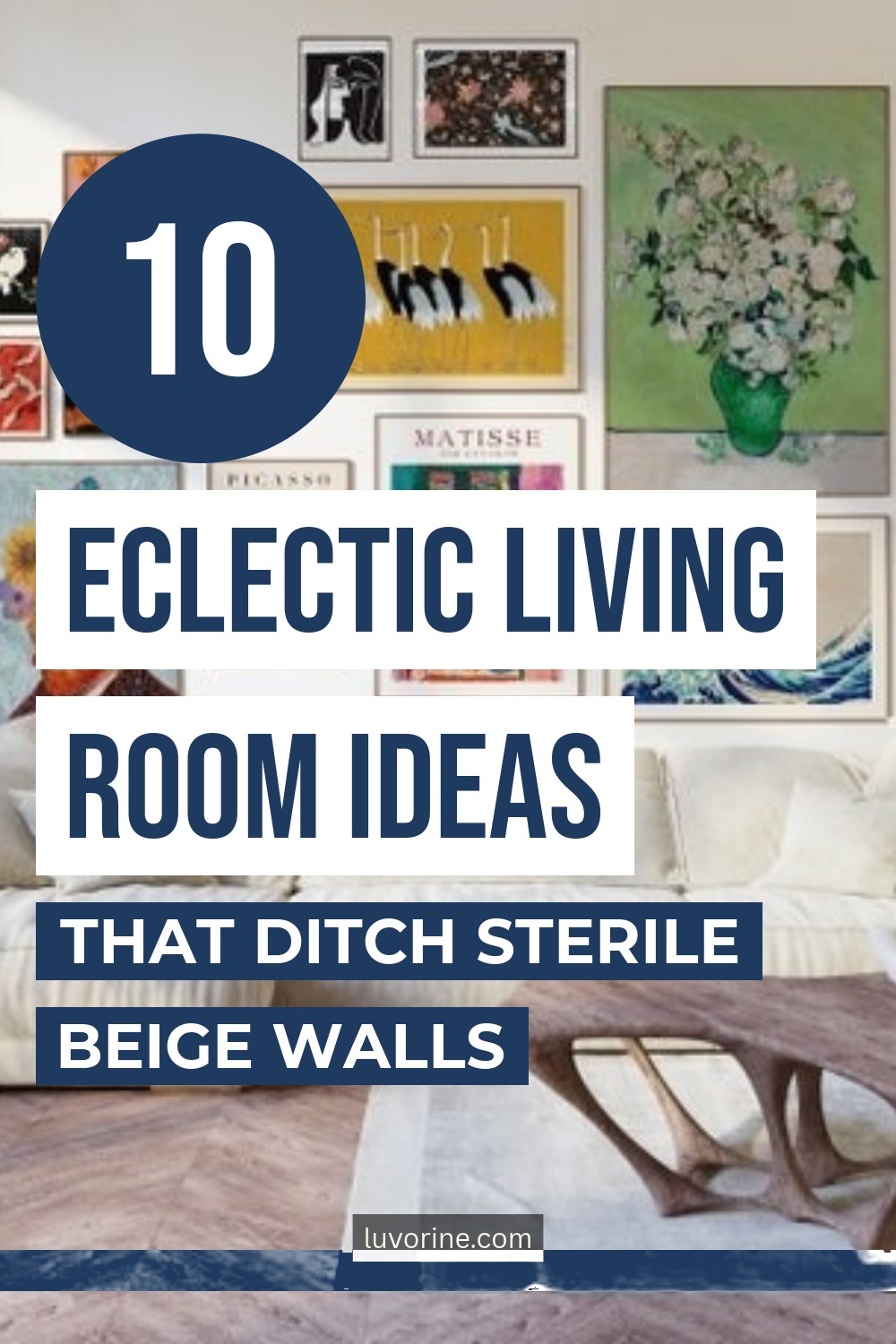
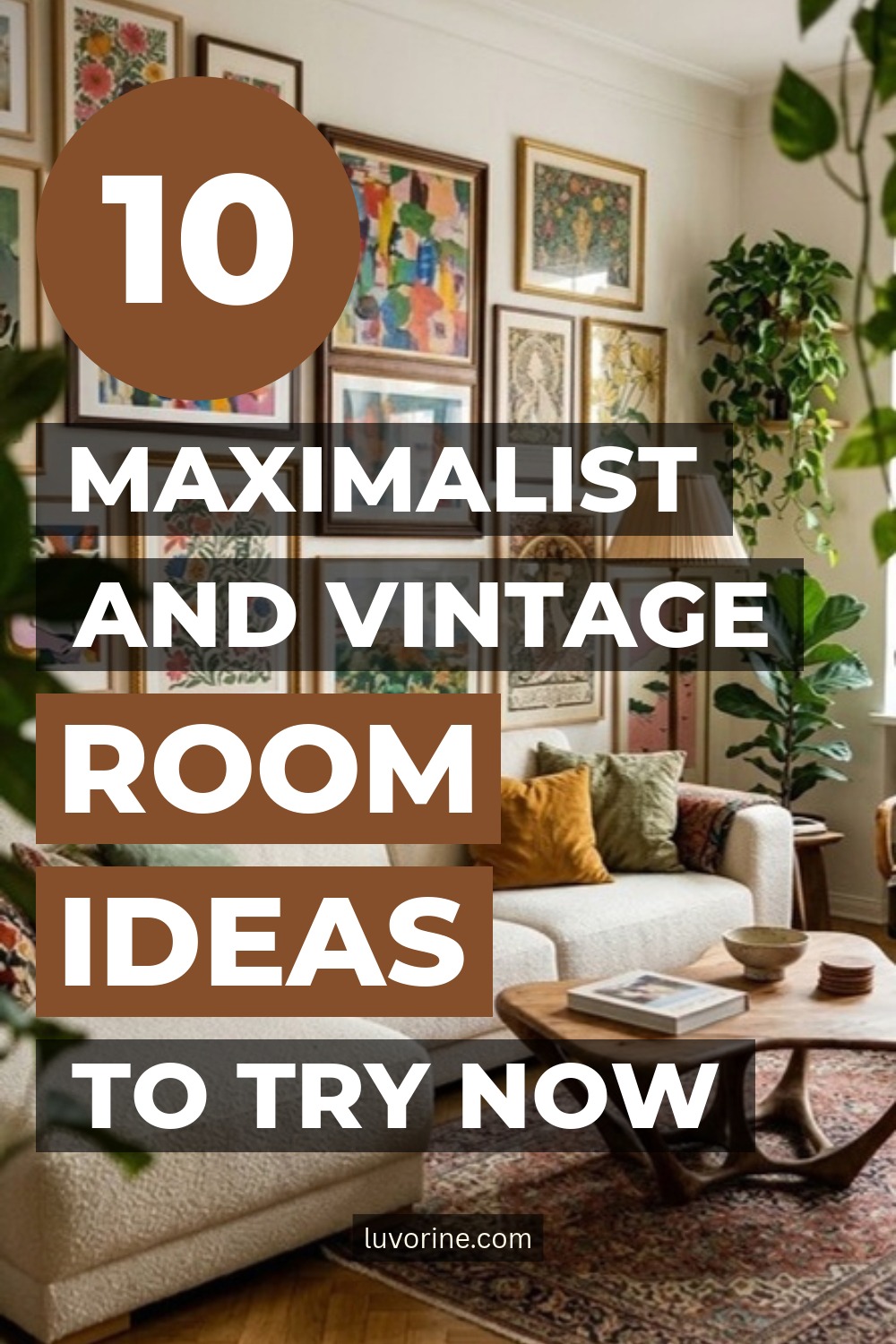
2. Build a Maximalist Gallery Wall With Zero Rules
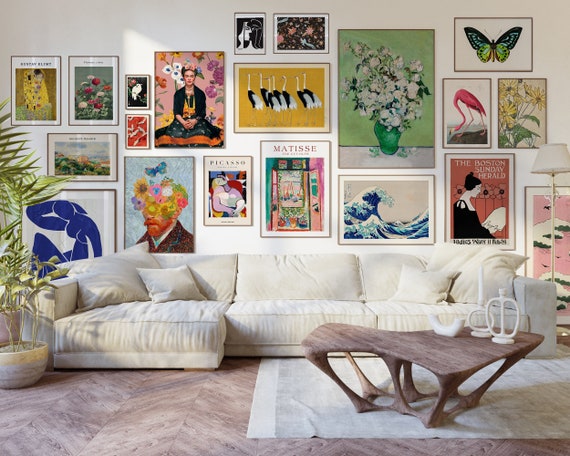
Are you still stressing over whether your picture frames match? Stop right there, because uniformity is the enemy of a killer eclectic gallery wall.
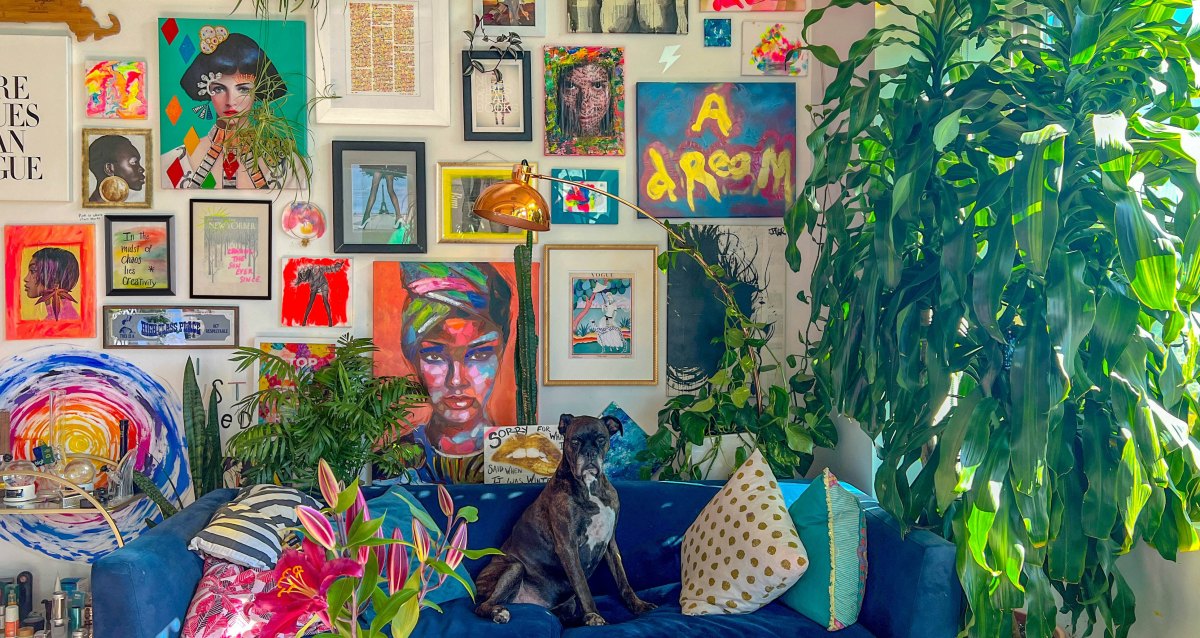
Hang an oil painting from a flea market right next to a modern line drawing, a woven textile, and a framed concert poster. Mix chunky gold frames with raw wood, sleek black metal, and even unframed canvases. The secret to making it look intentional rather than messy is keeping a consistent two-to-three-inch gap between every piece.
3. Double Up by Layering Vintage Rugs
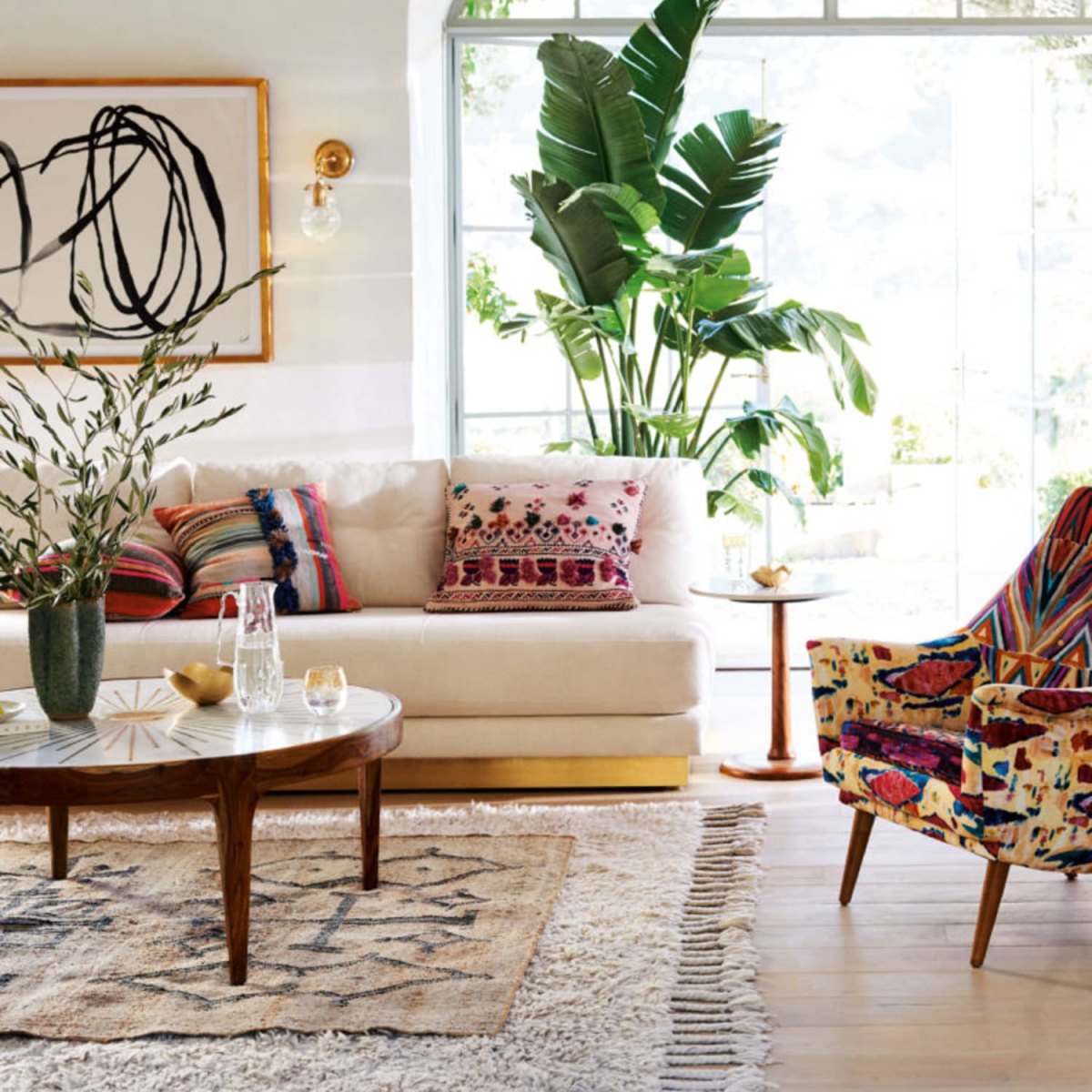
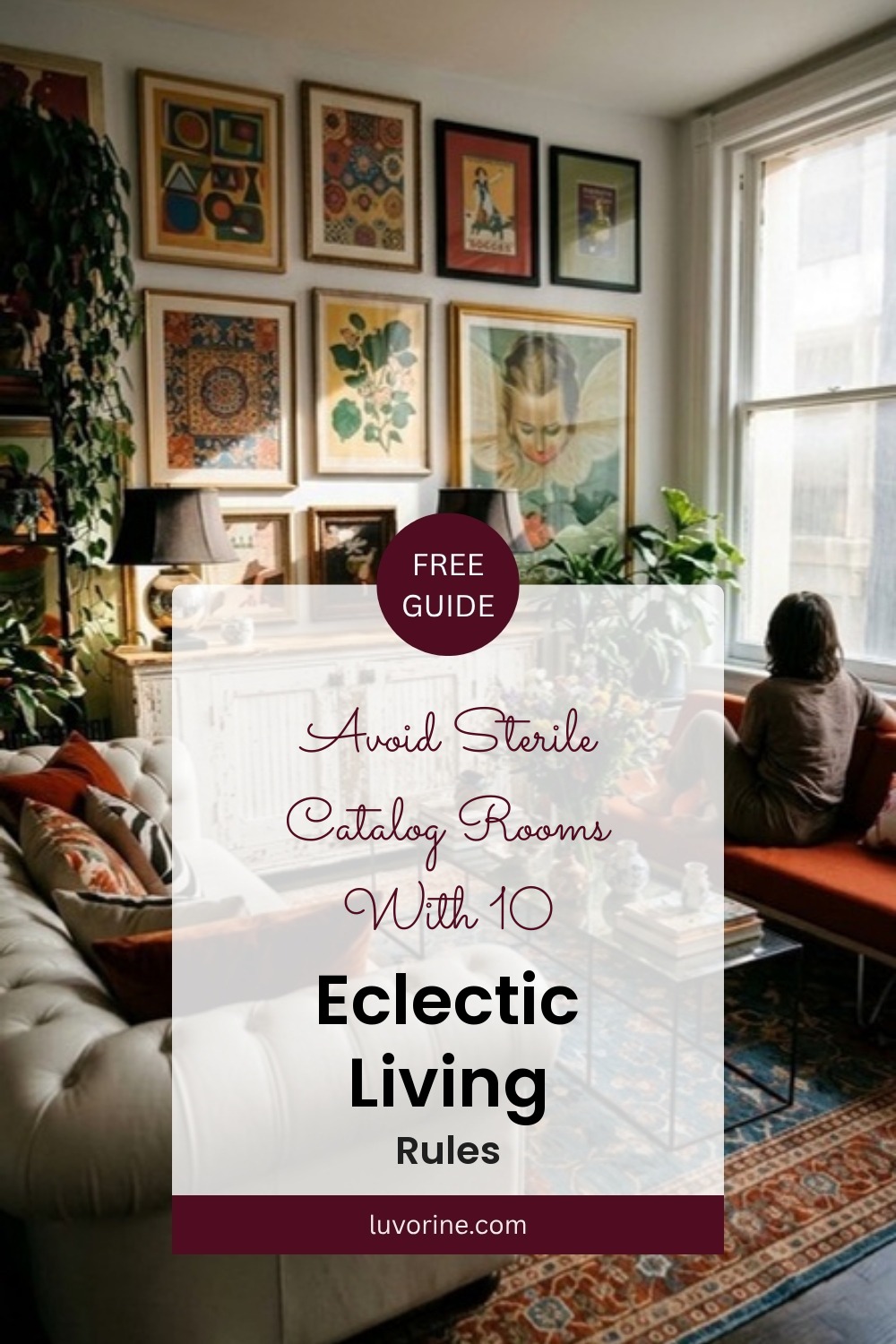
If choosing just one rug feels impossible, why not use two? Layering rugs is an interior designer's favorite shortcut for adding instant depth, warmth, and a relaxed bohemian edge to a living space.
Start with a large, flat-weave natural jute or sisal rug as your grounding base, then toss a smaller, colorful Persian or Turkish kilim right on top at a slight angle. Not only does it anchor your seating area, but it also lets you bring in bold patterns without overwhelming the floor. Plus, isn't a double-cushioned floor way better for barefoot mornings?
4. Play Matchmaker With Contrasting Textures
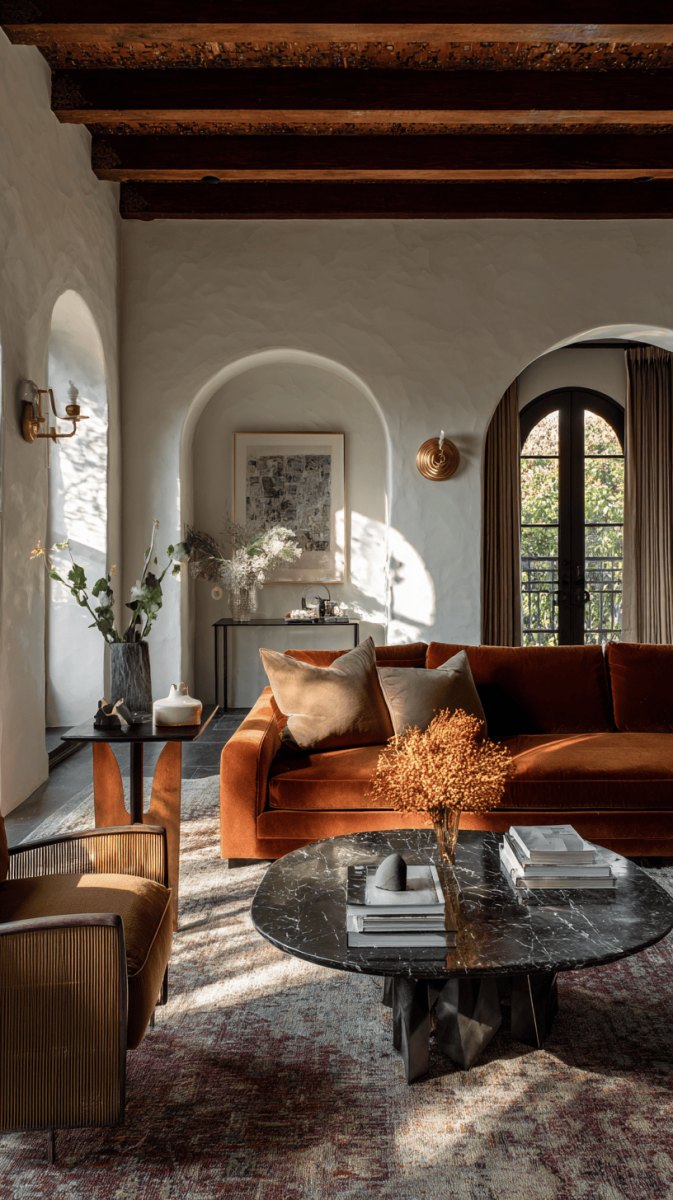
How does a room feel exciting even before you notice the colors? It all comes down to tactile friction—putting smooth, shiny surfaces right next to rough, nubby ones.
Picture a buttery velvet sofa paired with a raw, brutalist timber coffee table, a chunky bouclé throw blanket, and a cool marble tray. When every surface invites you to reach out and touch it, your living room transforms into a sensory retreat.
Styling tip
Aim for at least five distinct textures in your seating zone alone—like linen, distressed leather, raw wood, hammered brass, and curly wool—to keep the space visually rich even on neutral days.
5. Clash Your Patterns Using the Scale Trick
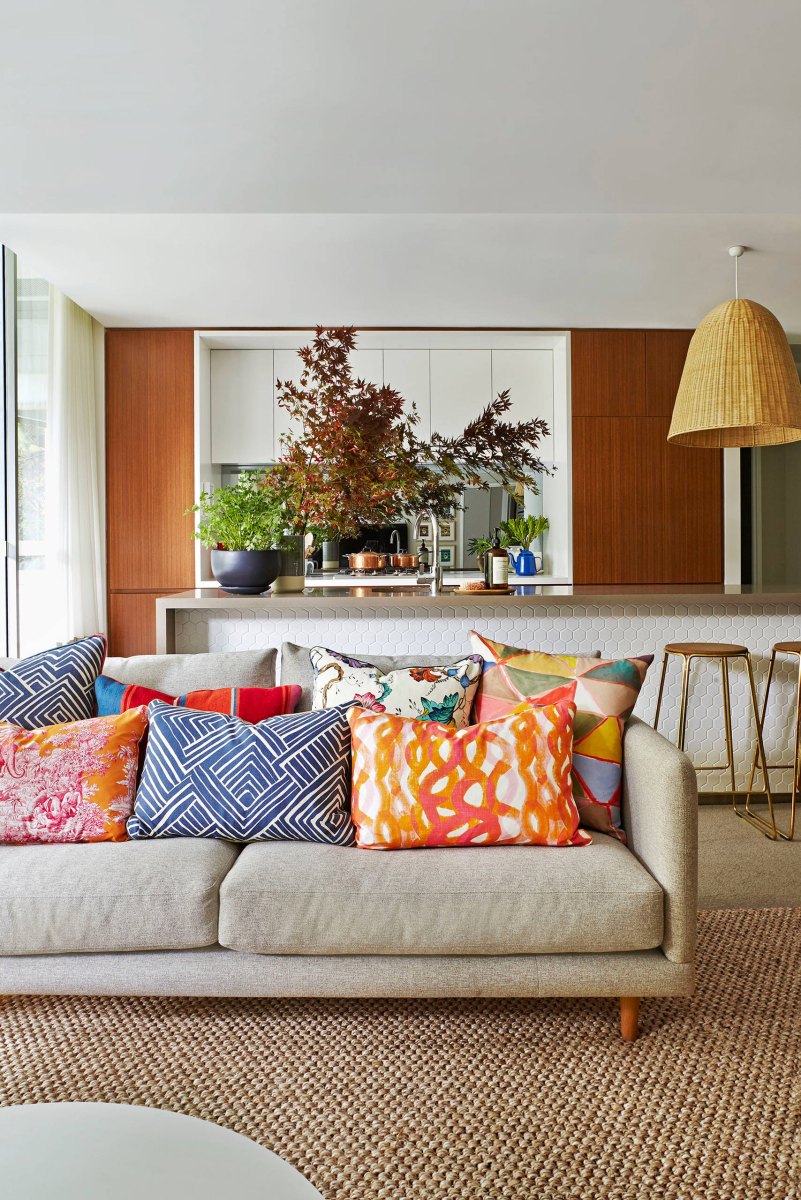
Have you ever been told that stripes and florals don't belong in the same room? Whoever made up that rule clearly never saw a well-dressed eclectic sofa.
Pattern clashing works like magic when you vary the scale of the prints. Pair a sprawling, oversized botanical print on your curtains with a medium geometric check on an armchair and tiny micro-stripes on your throw pillows. As long as they share one or two underlying colors, your patterns will harmonize instead of fighting for attention.
How to Mix Patterns Without the Headache
- Pick one hero pattern in a large scale, such as a bold floral rug or statement wallpaper.
- Add a medium-scale geometric or stripe pattern in a complementary color from your hero print.
- Finish with one or two small-scale patterns—like polka dots, dainty block prints, or subtle herringbone—on cushions.
6. Crown the Room With Unexpected Statement Lighting
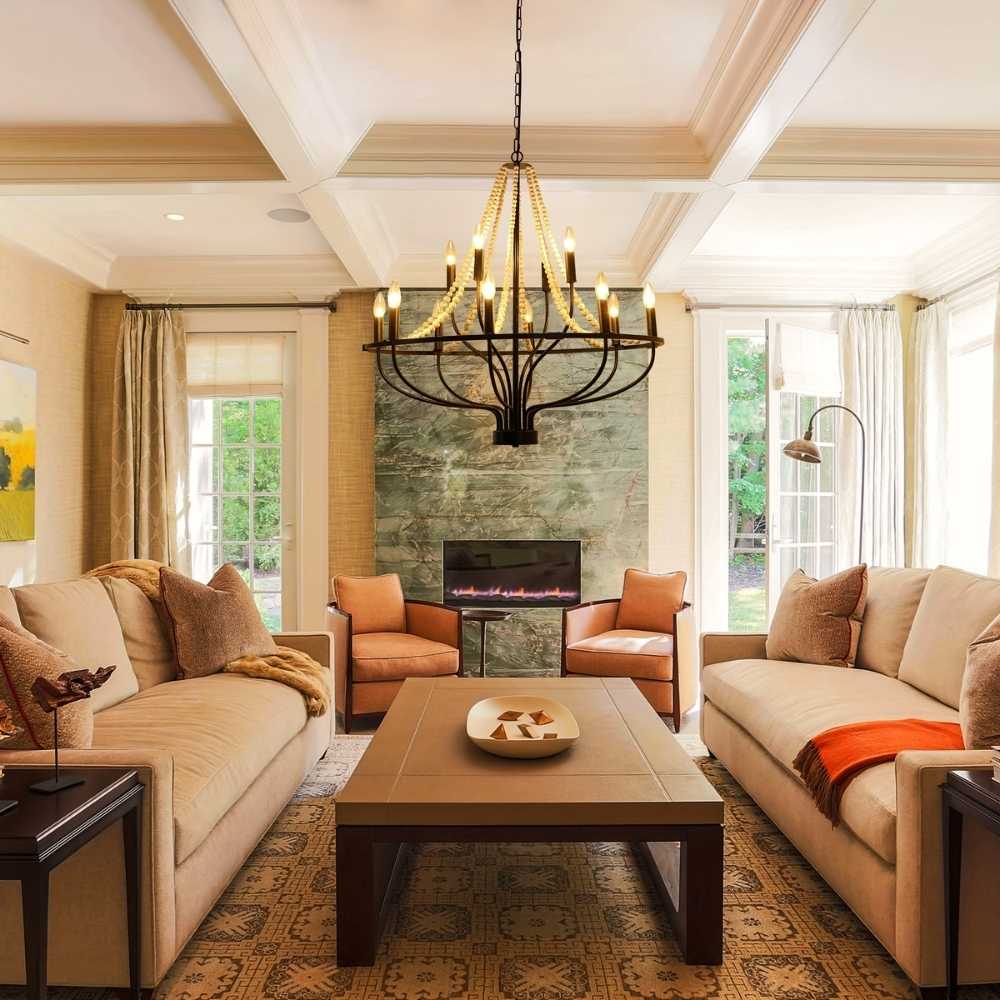
Nothing flattens the mood of a cool room faster than turning on a harsh, generic big light right in the center of the ceiling. Why not treat your lighting like jewelry for the room instead?
Hang a dramatic vintage wrought-iron or crystal chandelier in a modern, casual space, or tuck a whimsical ceramic table lamp next to a mid-century sofa. Tinted glass pendants in amber or cobalt and sculptural floor lamps create pools of cozy, golden light that make evening hangouts feel cinematic.
7. Drench Your Walls in Grounded Earth or Jewel Tones
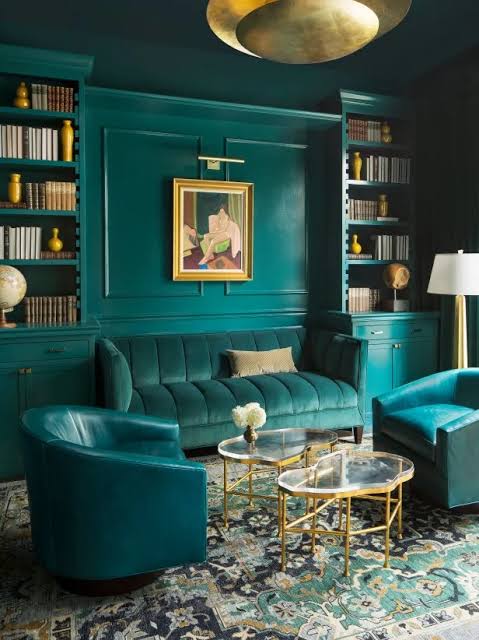
Cool gray and stark hospital white have had their fifteen minutes of fame, and honestly, we won't miss them. Ready to embrace color that actually gives you a dopamine boost when you walk through the door?
Whether you love grounded shades like terracotta, warm ochre, and dusty sage, or deep jewel tones like emerald and burgundy, rich wall colors act as the ultimate glue for eclectic furniture. Painting your trim, doors, and shelves the exact same shade as the walls creates a cozy, cocooning effect that makes metallic frames and colorful artwork pop like crazy.
8. Turn Your Open Shelving Into a Cabinet of Curiosities
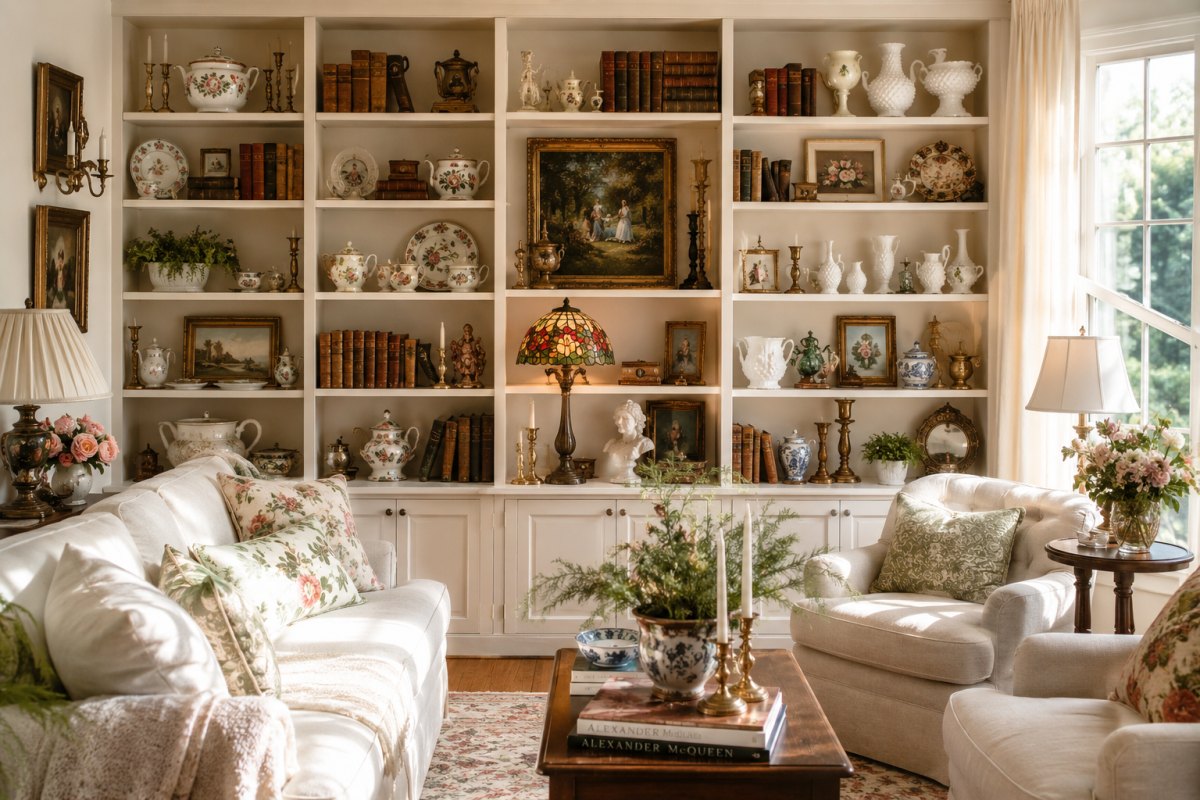
What is the point of collecting cool travel souvenirs, quirky ceramics, and vintage art books if they are hiding inside closed cabinets? Open shelving is where your personality gets to take center stage.
Stack books both horizontally and vertically, lean small framed sketches against the back wall, and tuck in handmade pottery or colored glass vases. The goal isn't perfection—it is creating small vignettes that make your guests wander over and ask, "Where on earth did you find this?"
Watch Out for Visual Clutter
Leave at least 20% of your shelf and tabletop space completely empty so your favorite collectibles have room to breathe and the room doesn't tip into hoarder territory.
9. Bring in an Indoor Jungle of Sculptural Plants
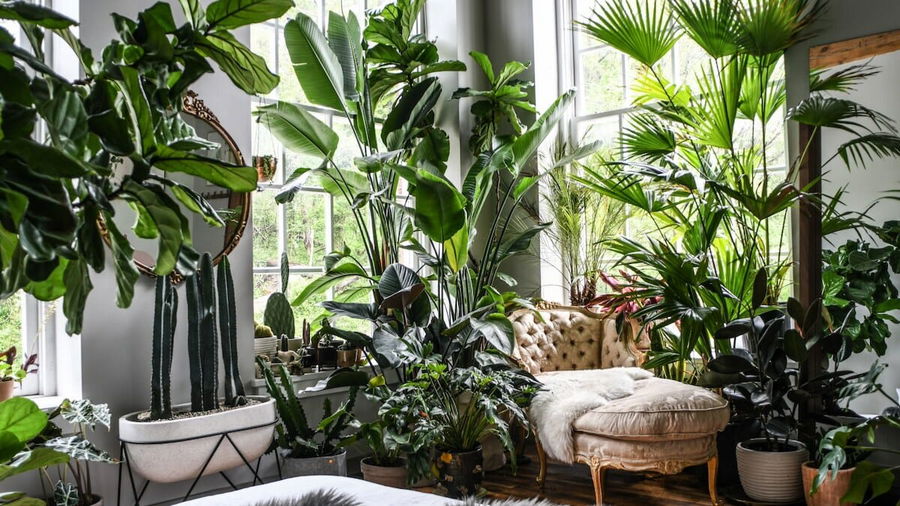
Ever notice how a room full of clashing colors and mixed furniture suddenly makes total sense the second you add a few big plants? Lush greenery acts as a natural neutral, softening sharp architectural lines and bridging the gap between different design styles.
Let pothos vines trail down your bookshelves, park an oversized fiddle-leaf fig or olive tree in an empty corner, and house smaller succulents in mismatched vintage terracotta pots. Even if you don't have a green thumb, dried botanical stems in a sculptural clay vase deliver that same organic energy with zero watering required.
10. Anchor a Quiet Corner With a Wildcard Accent Chair
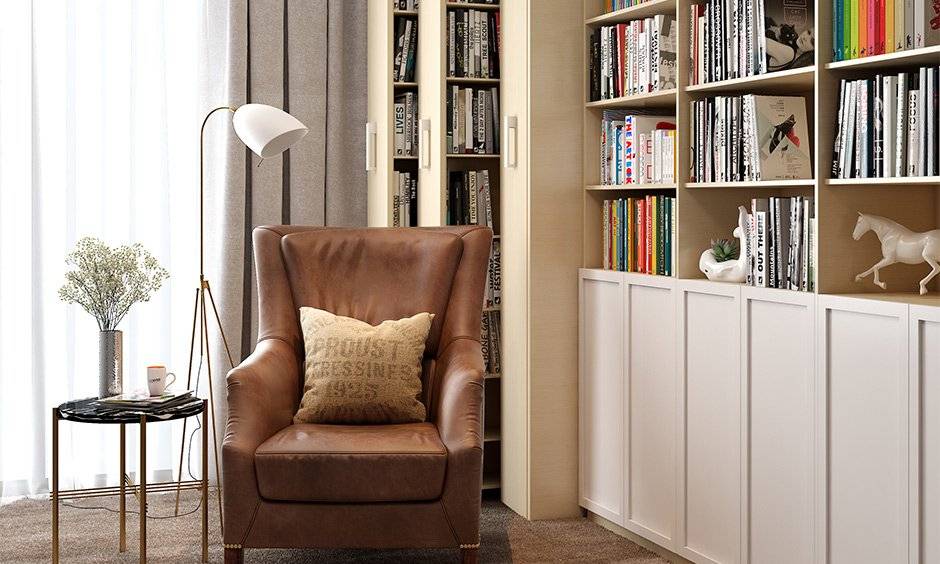
If you are nervous about going full-tilt maximalist with your main sofa, the accent chair is your best playground. Think of it as the solo artist of your living room layout.
Look for a chair with an unforgettable silhouette—like a curved sling-back leather seat, a shaggy sheepskin armchair, or a vintage cane-back throne reupholstered in a bold print. Toss a small drink table and a reading lamp beside it, and you have just turned a dead corner into the most fought-over seat in the house. Which of these ten ideas are you trying this weekend?
More Pinterest Visuals